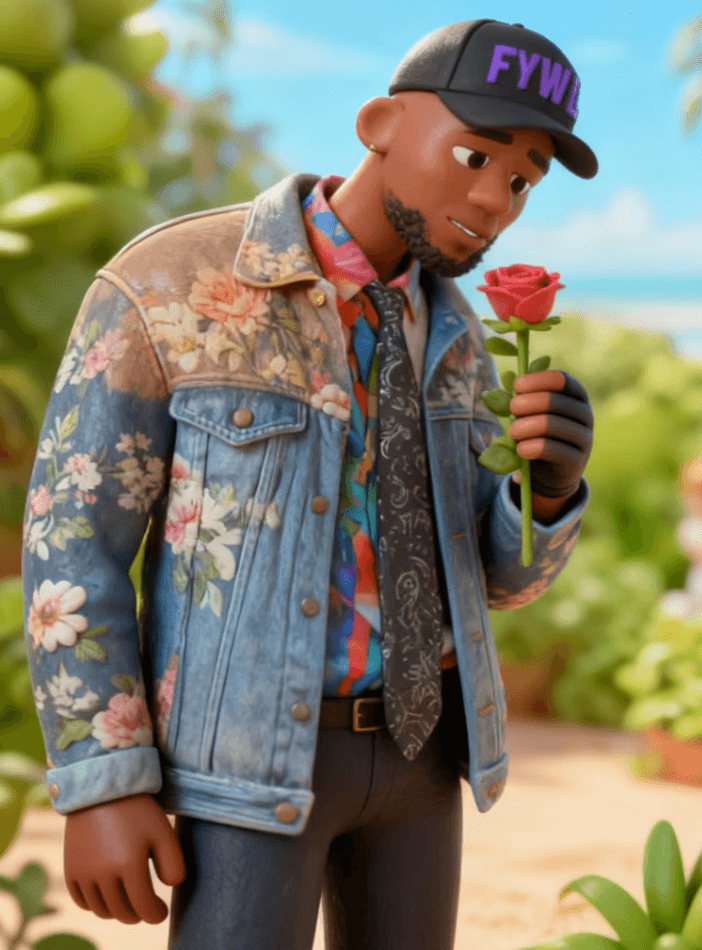
It’s easy to get swept up in the excitement of AI-generated visuals — the cinematic lighting, surreal compositions, and imaginative worlds that appear in seconds with just a prompt. The results are stunning and immediate, and for many creators, it feels like magic. But beautiful AI art alone isn’t enough. Without intention behind it, even the most impressive generations can feel hollow. Great digital art isn’t just about what AI produces — it’s about the direction, strategy, and meaning we bring to the process.
Think about Pixar in the Bay Area. Toy Story took seven years to make — seven years of rendering, storyboarding, experimenting, and pushing technology that didn’t even exist yet. Today, we can create entire universes with a few clicks. But that doesn’t automatically mean our work has impact. Tools have evolved. The timeline has changed. Creativity still needs vision.
When strategy leads the way, AI becomes a partner, not a shortcut. What story are we telling? What emotion should this image spark? Who is it for? These questions turn prompts into purpose. They shape everything from the style of the artwork to the mood of the lighting to the way the final piece connects with real people. Without strategy, AI art might get likes — but it won’t build connection, credibility, or meaning.
Trends come and go fast in the AI world. New models drop weekly. New aesthetics rise and fade. But intention is what gives your digital art consistency and clarity. It guides your creative direction, helps you refine prompts with purpose, and ensures every element contributes to a bigger idea. Without that foundation, AI art becomes noise — impressive at first glance, but forgettable.
At FrameYourWork.Life, we don’t just experiment with AI — we land on impact. We use these tools the way Pixar used early animation technology: not as a replacement for creativity, but as a way to amplify it. Strategy transforms prompts into storytelling. It turns quick generations into meaningful visual narratives. And it’s the difference between art that simply looks good… and art that truly resonates.
So before you type the next prompt or press generate, start with intention. Because when digital art is built on strategy, it doesn’t just impress — it connects, it communicates, and it lasts.
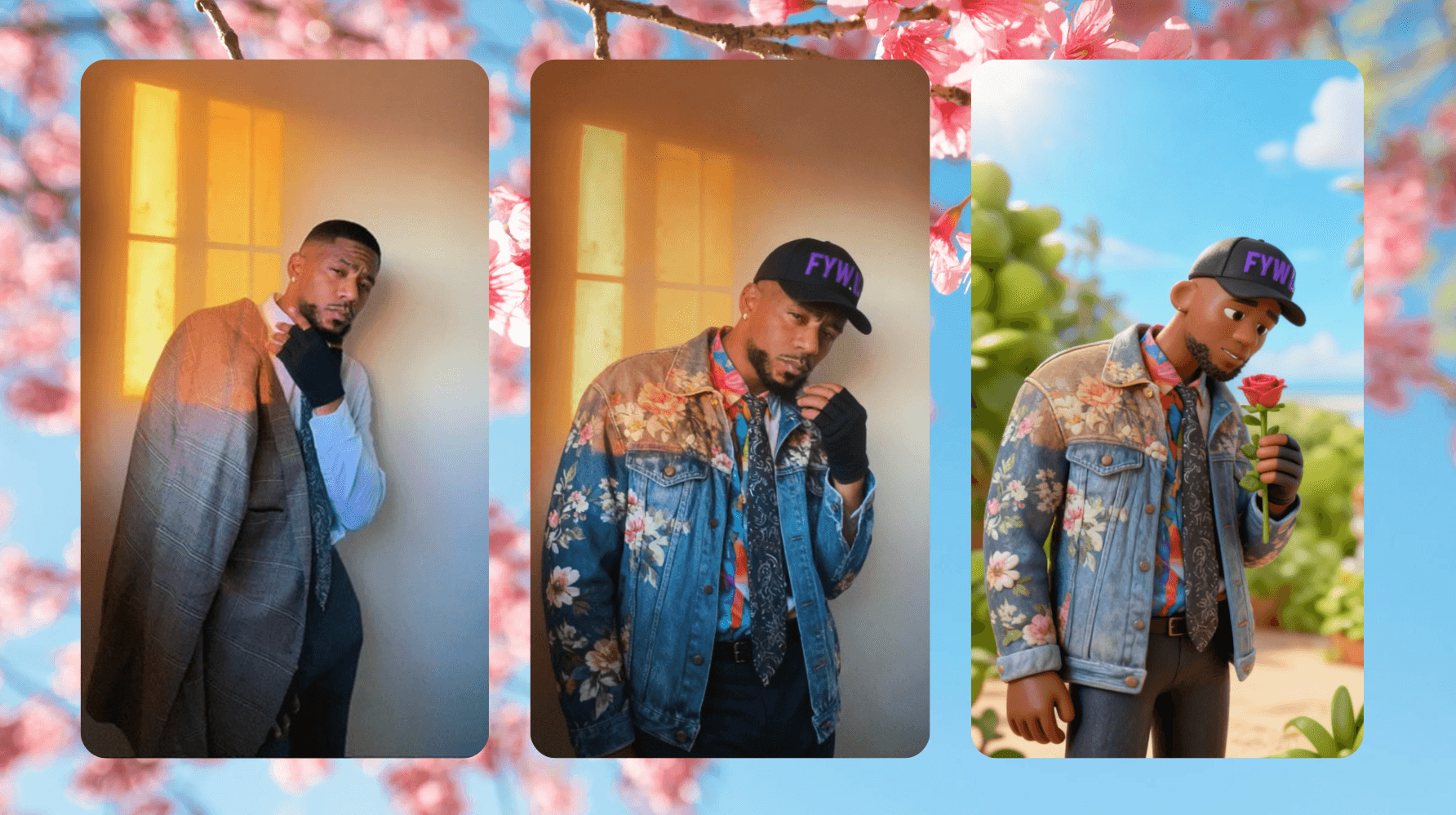
Some of the most memorable projects we’ve worked on weren’t the ones that followed the original plan to the letter. They were the ones where a conversation took a surprising turn or a challenge forced us to think differently. A technical limitation might lead to a creative workaround that turns into a standout feature. A spontaneous decision to break a rule could reveal a more authentic and bold design direction.
At our studio, we believe in leaving room for these moments. While strategy and consistency are essential, the real magic often reveals itself in the unexpected — in the ideas we almost dismissed, the mistakes that turned into breakthroughs, and the quiet moments of curiosity that spark something bigger.
So whether you’re a designer, a client, or a brand seeking to tell your story, trust the process, but also welcome the detours. Because in those unplanned, unpredictable, and sometimes messy moments, that’s where the truly unforgettable work is born.
As a studio, we’ve learned to stay open, curious, and adaptable. Every project carries the potential for surprise, and it’s often those surprises that elevate good work to something remarkable. The unexpected moments remind us why we do what we do — because behind every screen, color palette, and interaction is a story waiting to unfold in ways we couldn’t have planned.